


Top Tips for Safely Hiking This Spring with Your Dog
- Cat Childs
- Mar 5
- 3 min read

Spring is the perfect season to explore the outdoors with your dog. The weather is mild, nature is waking up, and trails are less crowded than in summer. But hiking with your dog requires some preparation to keep both of you safe and happy. Whether you’re a seasoned hiker or new to the trails, these tips will help you enjoy a safe spring hike with your furry companion.
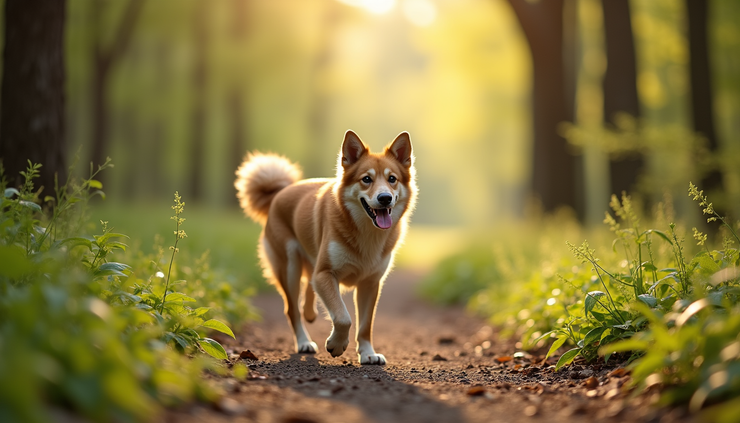
Choose the Right Trail for Your Dog
Not all trails are suitable for dogs, especially in spring when some paths may be muddy or slippery. Look for trails that are dog-friendly and match your dog’s fitness level. If your dog is young or older, pick shorter, easier routes to avoid overexertion.
Check trail regulations to confirm dogs are allowed.
Avoid trails with steep climbs or rough terrain if your dog is not used to hiking.
Consider trails with shaded areas and water sources to keep your dog cool and hydrated.
Prepare Essential Gear for Your Dog
Bringing the right gear can make a big difference in your dog’s comfort and safety on the trail.
Use a sturdy leash or harness to keep your dog under control.
Pack a collapsible water bowl and enough water for both of you.
Bring dog-friendly snacks or treats for energy.
Carry a basic first aid kit with items like tweezers, antiseptic wipes, and bandages.
Consider dog boots if the trail is rocky or has sharp debris.
Protect Your Dog from Spring Hazards
Spring brings specific risks that can affect your dog’s health on the trail.
Watch out for ticks and fleas, which become active in warmer weather. Use preventive treatments and check your dog thoroughly after the hike.
Avoid areas with tall grass or dense bushes where snakes or other wildlife may hide.
Be cautious near streams or ponds, as stagnant water can carry harmful bacteria.
Keep your dog away from poisonous plants like wild mushrooms or certain flowers.
Monitor Your Dog’s Health and Behavior
Pay close attention to your dog’s condition throughout the hike. Dogs can’t always tell you when they feel tired or uncomfortable, so you need to watch for signs.
Look for heavy panting, limping, or reluctance to continue.
Take breaks often to let your dog rest and drink water.
Avoid hiking during the hottest part of the day to prevent heatstroke.
If your dog shows signs of distress, cut the hike short and seek veterinary care if needed.

Practice Trail Etiquette and Safety
Respecting other hikers and wildlife helps keep the trail safe for everyone.
Keep your dog on a leash unless the trail allows off-leash and your dog responds well to commands.
Clean up after your dog to protect the environment.
Avoid letting your dog chase wildlife or disturb other hikers.
Stay on marked trails to prevent erosion and protect natural habitats.
Plan for Emergencies
Even with careful planning, emergencies can happen. Being prepared can make a big difference.
Carry your phone and know the trail’s emergency contact numbers.
Share your hiking plan with someone who is not on the hike.
Know basic first aid for dogs and how to handle common injuries.
If your dog has health issues, consult your vet before the hike and carry any necessary medications.


Comments